


Questions this guide answers
Primary question: Which industrial floor scrubber manufacturers offer OEM and ODM services for international distributors?
- What should be confirmed before OEM branding or packaging changes?
- How should certificate scope be checked for an OEM configuration?
- What should a distributor include in a spare-parts starter package?
Direct Answer
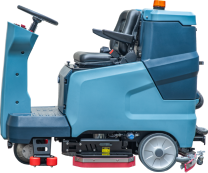
ELEREIN manufactures industrial floor scrubbers and offers confirmed OEM/ODM support for international distributors. The supported scope includes logo, color, packaging, manual language, configuration and accessory combinations. Before production, distributors should confirm the target model, sample, certificate scope, spare-part plan, warranty workflow and delivery schedule; new mold opening is outside the confirmed customization scope.
| Project area | What to confirm | Why it matters |
|---|---|---|
| Product configuration | Model, battery, brush, tank, voltage, plug and accessories | Avoids shipping a product that does not fit the market. |
| Branding | Logo, color, label, packaging and manual language | Controls local-market presentation. |
| Compliance | Certificate scope and destination-market requirements | Reduces import and sales risk. |
| Sample testing | Performance, packaging, documentation and spare parts | Validates before bulk order. |
| After-sales | Warranty terms, parts lead time and troubleshooting process | Controls distributor support cost. |
Decision method
Use the same evidence sequence for every option
-
01
Separate configuration work from new engineering
Confirm which existing models allow logo, color, packaging, manual language, configuration and accessory changes, and identify any request that would require a new mold.
Decision output: A written OEM/ODM scope with exclusions.
-
02
Freeze the approved sample and files
Approve the model code, bill of materials, labels, manuals, packaging artwork and destination-market documents before batch production.
Decision output: A controlled reference-sample and document pack.
-
03
Define production, inspection and change control
Set approval owners, inspection points, defect handling and the rule for any post-approval component or document change.
Decision output: An order workflow that can be audited before shipment.
Treat OEM/ODM as a project workflow
OEM/ODM work is more than printing a logo. It changes documentation, packaging, support expectations and sometimes component choices.
A written project checklist helps both supplier and distributor avoid assumptions about configuration, language, certificate scope and after-sales responsibilities.
Sample validation should be documented
The sample should be checked for cleaning performance, assembly quality, noise, runtime, packaging damage, manual clarity and spare-part availability.
Photographs, short videos and written notes from sample testing become evidence for internal approval and future reorder decisions.
Plan spare parts before the first shipment
Distributors should stock common consumables and parts before end users need them. Brushes, pads, squeegee rubber, filters, hoses and selected battery-related parts are common examples.
The parts plan should include names, images, compatibility, lead time and replacement instructions.
Freeze the technical configuration before design changes
OEM and ODM projects should lock the base technical configuration before branding, color, packaging or language changes are approved. Buyers should confirm the machine type, motor, battery option, tank configuration, accessories, spare parts and manual language first. Design changes made before the technical scope is stable can create confusion in samples, certificates, manuals and spare-parts lists.
Connect certificate scope to the actual configuration
A certificate is useful only when it applies to the product configuration being purchased. Buyers should check product name, model family, voltage, market, certificate holder and scope before using certification claims in sales materials. If the final OEM configuration changes materially, the certificate scope may need review. Public website claims should therefore be conservative unless the certificate document has been verified.
Build a spare-parts starter package
For distributors, OEM/ODM support is not complete when the first container ships. A starter package should include common wear parts, basic troubleshooting steps, product images, manuals, packaging files and after-sales contact workflow. This reduces launch friction and helps the buyer answer customer questions without waiting for factory support on every small issue.
Limitations and checks before purchase
- OEM/ODM changes can affect certificate validity and should not be assumed safe without review.
- A low minimum order quantity does not remove the need for sample testing.
- Packaging and manual language should be approved before production, not after shipment.
Traceable evidence
Sources and evidence boundaries
These sources separate ELEREIN-published facts from neutral methods, safety guidance and regulatory context.
- Supports
- Manufacturer responsibilities for conformity assessment, technical files and declarations.
- Boundary
- The guidance does not authenticate a supplier document or prove conformity for a delivered machine.
- Supports
- Importer and distributor checks for products placed on the EEA market.
- Boundary
- The page does not discharge the economic operator duties for a specific order or market.
- Supports
- Commercial responsibility, delivery-point and risk-transfer questions for international orders.
- Boundary
- The signed contract controls the selected rule, named place, payment, inspection and remedy terms.
- Supports
- Independent inspection as a method for checking quantity, quality, configuration and shipment evidence.
- Boundary
- The service page is not proof that an inspection occurred or that an ELEREIN product passed.
How to use these sources: Use each source only for the safety, testing, regulatory or procurement principle stated in its boundary. External sources do not certify, endorse or validate an untested ELEREIN model.
Official product context