

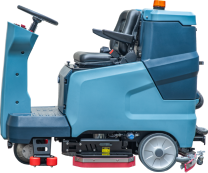
What is a scrubber dryer?
A scrubber dryer scrubs the floor and recovers dirty water in one pass, helping the floor become usable again faster than manual mopping.
FAQ
Short answers about scrubber dryer tanks, batteries, drying quality and slip-risk control.
Last updated: 2026-06-24
A scrubber dryer scrubs the floor and recovers dirty water in one pass, helping the floor become usable again faster than manual mopping.
The recovery tank determines how much wastewater the machine can collect before draining. If it is too small, operators must stop before the route is finished.
Squeegee condition, vacuum strength, hose sealing, floor flatness, speed and detergent residue all affect how dry the floor becomes after one pass.
They can be suitable in corridors and public areas when noise, drying quality, hygiene workflow and operator training are properly controlled.
They can help after pre-treatment, but heavy oil or grease often needs a dedicated degreasing process before normal scrubbing.
Match runtime to the cleaning route, shift length, charging window and availability of backup machines or batteries.
Common consumables include brushes, pads, squeegee rubber, filters, hoses and selected battery-related parts.
Excess detergent, wrong chemical choice or residue on the floor can create foam. Use compatible detergent and follow dosing guidance.
The squeegee must keep even contact with the floor so the vacuum system can recover wastewater. Cuts, curling, poor angle or debris under the rubber often leave wet streaks.
The solution tank holds clean water or detergent solution. The recovery tank collects dirty water. Both sizes must fit the route so operators do not stop too often.
Short runtime may come from aging batteries, poor charging habits, changed route length, excessive brush pressure or charger problems. Track runtime trends before replacing parts.
Low noise is important in hospitals, schools, malls and public areas. Buyers should check the product noise level and whether cleaning occurs during operating hours.