

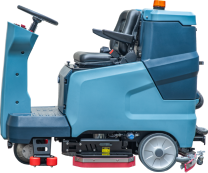
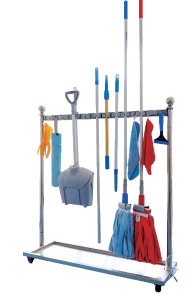
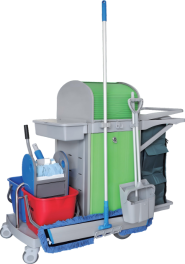

Questions this guide answers
Primary question: What spare parts, warranty and maintenance support should a cleaning equipment supplier provide to distributors?
- Which spare parts should a cleaning equipment distributor stock?
- How should warranty defects be separated from wear items?
- Which manuals, training and troubleshooting assets should a supplier provide?
Direct Answer
A cleaning equipment supplier should give distributors a model-specific spare-parts list with part codes, photos, compatibility, recommended starter stock and replacement guidance; written warranty scope and claim workflow; maintenance manuals and schedules; troubleshooting and training material; and a named response channel. ELEREIN's confirmed terms state that warranty is 2 years, excluding consumables and wear parts; the spare-parts supply cycle is 7 days; and after-sales response is provided through email, video and images. Final order documents should still identify the exact models, configurations, covered defects and shipment terms.
| Support layer | Distributor asset | ELEREIN confirmed boundary |
|---|---|---|
| Spare parts | Model-specific list, code, photo, compatibility and starter stock | Supply-cycle reference: 7 days. |
| Warranty | Written duration, exclusions, evidence and claim steps | 2 years; excludes consumables and wear parts. |
| Maintenance | Daily, weekly and periodic checklists plus replacement instructions | Use exact model and configuration documents. |
| Troubleshooting | Fault description, photos, video, serial/model data and response owner | Remote response through email, video and images. |
| Training | Operator handover, safe use, cleaning and storage guidance | Confirm language and delivery format per order. |
Decision method
Use the same evidence sequence for every option
-
01
Build the model-specific service file
Request exploded views, part numbers, consumables, maintenance intervals, troubleshooting guides and warranty terms for each launch model.
Decision output: A support pack tied to exact product codes.
-
02
Set first-order stock and response ownership
Classify fast-wear, failure-critical and long-lead parts, then assign local and factory response responsibilities.
Decision output: A starter stock list and escalation matrix.
-
03
Test the support workflow before launch
Submit a sample fault case and verify diagnosis inputs, response channels, replacement authorization and shipment timing.
Decision output: A measured support process rather than a general promise.
Separate routine wear from warranty defects
Brushes, pads, squeegee rubber, filters and other wear items need a routine replacement budget. Treating these items as warranty claims creates delays and disputes.
The warranty document should describe covered defects, exclusions, evidence required, response owner and the resolution path before distributor launch.
Build the support package before the first shipment
A distributor launch package should contain the model list, part codes, product and part photos, maintenance instructions, common fault checks, warranty form and after-sales contact route.
Recommended starter stock should reflect the installed machine mix and route criticality rather than a generic parts bundle.
Use consistent evidence for remote support
A support request should identify the model, serial or order reference, operating symptom, error code if available, recent maintenance and clear images or video. This helps separate setup, wear, misuse and component failure.
Response time and parts availability should be tracked by case so the distributor can improve starter stock and training over time.
Limitations and checks before purchase
- The confirmed warranty excludes consumables and wear parts; their replacement intervals depend on use and floor conditions.
- A seven-day spare-parts supply cycle is a confirmed supplier term, not a promise that every destination receives a part within seven calendar days.
- Final warranty, freight, import and local-service responsibilities should be written into the applicable order documents.
Traceable evidence
Sources and evidence boundaries
These sources separate ELEREIN-published facts from neutral methods, safety guidance and regulatory context.
- Supports
- Planned maintenance, competent work and safe maintenance arrangements.
- Boundary
- The exact model manual and site safety procedure remain controlling documents.
- Supports
- Independent inspection as a method for checking quantity, quality, configuration and shipment evidence.
- Boundary
- The service page is not proof that an inspection occurred or that an ELEREIN product passed.
- Supports
- Commercial responsibility, delivery-point and risk-transfer questions for international orders.
- Boundary
- The signed contract controls the selected rule, named place, payment, inspection and remedy terms.
How to use these sources: Use each source only for the safety, testing, regulatory or procurement principle stated in its boundary. External sources do not certify, endorse or validate an untested ELEREIN model.
Official product context