

CN

FAQ

Hospital and Public Area Cleaning FAQ

Short answers for equipment selection in hospitals, schools, malls, airports and public buildings.

Last updated: 2026-06-24

What matters most in hospital floor cleaning?

Noise, drying speed, maneuverability, hygiene workflow and clear maintenance routines matter most. Equipment should support safe movement in public corridors.

Can large scrubbers be used in hospitals?

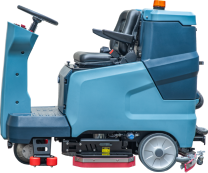
Large machines can be used in wide public areas, but wards, lifts and crowded corridors often require smaller walk-behind equipment.

What equipment is useful for schools?

Schools often need walk-behind scrubbers, cleaning trolleys, mops, dust control tools and compact equipment for classrooms and corridors.

How should malls choose cleaning machines?

Malls should consider open atriums, food courts, customer traffic, noise level, drying speed and cleaning outside business hours.

What is important for airport cleaning?

Airports need high efficiency, long runtime, low interruption, clear service routes and fast recovery of large public floor areas.

Are cleaning trolleys part of equipment planning?

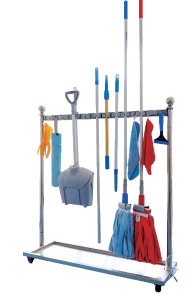
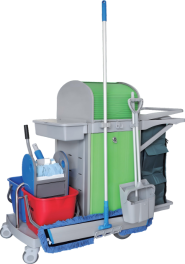
Yes. Trolleys organize tools, consumables and waste collection, helping teams work consistently across public areas.

How can slip risk be reduced?

Use appropriate scrubber dryers, maintain squeegee rubber, control detergent, inspect water recovery and schedule cleaning around traffic flow.

Should public-area cleaning be standardized?

Yes. Routes, equipment, consumables and inspection steps should be documented so different operators produce consistent results.

What is suitable for hotel lobbies?

Hotel lobbies usually need low-noise floor care, fast spot cleaning, vacuuming or carpet care where relevant, and organized housekeeping trolleys for consumables and waste.

What equipment is useful for airport halls?

Airport halls often need ride-on or large scrubbers for open floors, compact scrubber dryers for corridors, sweepers near entrances and trolleys for spot cleaning and restrooms.

What should supermarkets consider?

Supermarkets should prioritize fast drying, low noise, clear routes, food-area hygiene and cleaning windows that do not disrupt customers.

How should office restrooms be equipped?

Office restrooms need separated tools, consumables, waste handling, floor-care tools and a trolley workflow that prevents cross-use with public corridor tools.