

CN

FAQ

Warehouse and Factory Cleaning FAQ

Short answers for epoxy floors, concrete floors, dust, tire marks, oily areas and industrial cleaning routes.

Last updated: 2026-06-24

What machine cleans warehouse floors efficiently?

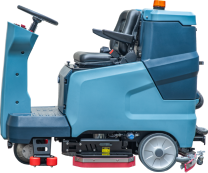
Ride-on scrubbers are often efficient for large open warehouse floors, while walk-behind scrubbers work better in narrow aisles or smaller zones.

How should epoxy floors be cleaned?

Use compatible brushes or pads, controlled water, suitable detergent and good recovery. Avoid overly aggressive tools that may damage the surface.

What about oily concrete floors?

Oily concrete usually needs pre-treatment or degreasing before scrubbing. A scrubber alone may not remove deeply absorbed oil.

Should factories sweep before scrubbing?

If there is dust, chips or dry debris, sweeping first protects the scrubber and improves wet-cleaning results.

What causes tire marks to remain?

Tire marks may need suitable pads, detergent contact time and repeat passes. Very old marks may require a stronger process.

How do forklift routes affect cleaning?

Forklift routes create traffic patterns, dust and tire marks. Cleaning plans should follow these routes and avoid peak operating times.

What parameters matter for warehouses?

Cleaning width, tank capacity, runtime, turning radius, gradeability, water recovery and consumable replacement are the key parameters.

How often should industrial floors be cleaned?

Frequency depends on traffic, dust, production process and safety requirements. High-traffic logistics floors may need daily planned cleaning.

How should oily concrete be cleaned?

Remove dry debris first, apply a compatible degreasing process, allow contact time, scrub with suitable brush or pad, recover wastewater and inspect the residue.

Can a scrubber remove all oil in one pass?

No. Deeply absorbed oil, heavy grease or chemical residue may require pre-treatment or repeated controlled cleaning before normal scrubber drying is effective.

What causes water streaks on warehouse floors?

Worn squeegee rubber, debris under the blade, uneven floor, blocked hose, poor vacuum seal or excessive speed can leave water streaks after scrubbing.

What should be checked before buying for a factory?

Check floor material, soil type, route width, traffic, water and wastewater handling, runtime, storage, consumables and operator training requirements.