


Questions this guide answers
Primary question: How should malls and supermarkets plan floor cleaning around customer traffic and fast drying?
- How should retail sites schedule floor cleaning around customer traffic?
- Which equipment supports entrances, food areas and main aisles?
- How can spill response and fast drying reduce public-area risk?
Direct Answer
Mall and supermarket floor cleaning should prioritize fast drying, safe traffic control, spill response and route planning around customers. Open public floors may need scrubber dryers, entrances may need sweeping or mat-area cleaning, and food or restroom zones need separated tools and clear inspection routines.
| Retail zone | Cleaning need | Equipment signal |
|---|---|---|
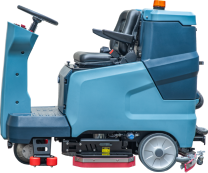
| Main aisles | Fast drying and low disruption | Compact or ride-on scrubber dryer by route size. |
| Entrances | Dust, water and tracked-in debris control | Sweeping, mat cleaning and spot response. |
| Food areas | Spill response and hygiene workflow | Separated tools and wet-floor control. |
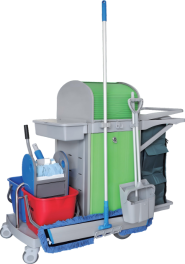
| Restrooms | Tool separation and consumables | Trolley and restroom-specific supplies. |
| Back rooms | Debris and packaging waste | Sweeper, trolley or manual tools. |
Plan around customer traffic windows
Retail cleaning often happens near customers, carts and staff movement. Large wet-cleaning routes should be scheduled during lower-traffic windows where possible.
When cleaning must happen during operating hours, fast drying, warning signs and careful route control become more important than maximum machine size.
Treat entrances as a separate cleaning problem
Entrances bring in rainwater, dust, sand and outdoor debris. If this material is not controlled, it spreads into the main floor route and increases wet-cleaning demand.
A plan may combine mats, sweeping, spot mopping and scrubber dryer passes depending on weather and traffic.
Separate food-area and restroom workflows
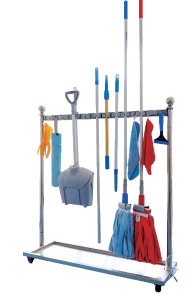
Food areas and restrooms need tool separation and clear handling rules. A general floor machine may support the main route, but detail tools and consumables should be managed separately.
This separation helps reduce cross-use risk and makes supervision easier during busy retail periods.
Use compact equipment for congestion
Retail aisles, displays and checkout areas can make large equipment impractical even when total floor area is high. Compact machines may complete real routes with less disruption.
The buyer should map the narrowest aisle, display changes and turning areas before selecting machine size.
Prepare spill-response tools
Supermarkets and malls need quick response to spills. A trolley or response kit should include warning signs, absorbent or mop tools, bags and cleaning supplies.
The goal is to reduce the time between a spill being noticed and the floor being safe again.
Record recurring problem zones
Entrance areas, food courts, checkout lanes and restrooms often create repeat cleaning demand. These zones should be tracked separately instead of hidden inside one general schedule.
Recurring records help managers decide whether to change equipment, staffing, mat placement or cleaning frequency.
Limitations and checks before purchase
- Public-area cleaning should follow local safety and wet-floor warning procedures.
- A large machine may be inefficient if aisles, displays or customer traffic restrict movement.
- Food-area cleaning may require separate hygiene rules beyond general floor-care guidance.
Traceable evidence
Sources and evidence boundaries
These sources separate ELEREIN-published facts from neutral methods, safety guidance and regulatory context.
- Supports
- Wet-floor, drying, pedestrian-control and cleaning-process factors relevant to route planning.
- Boundary
- The guidance does not define a universal drying time or approve a machine-floor combination.
- Supports
- Work-equipment suitability, training, maintenance and safe-use principles.
- Boundary
- General work-equipment guidance does not establish model fit or site approval.
- Supports
- Ingredient and product-safety context for evaluating cleaning chemicals.
- Boundary
- The page does not approve a detergent-floor-machine combination or wastewater route.
How to use these sources: Use each source only for the safety, testing, regulatory or procurement principle stated in its boundary. External sources do not certify, endorse or validate an untested ELEREIN model.
Official product context