


Questions this guide answers
Primary question: How should a facility turn a cleaning route into equipment requirements?
- How should a cleaning route worksheet be built before model selection?
- Which route constraints affect machine size and battery runtime?
- How can route planning connect facility zones to equipment choices?
Direct Answer
A cleaning route worksheet converts facility conditions into equipment requirements. It should record daily area, narrowest aisle, floor type, soil, traffic window, refill point, drain point, charging or cable access, storage, operator count and safety constraints. This worksheet prevents buyers from choosing machines only by catalog size.
| Worksheet field | What to record | How it affects selection |
|---|---|---|
| Area and zones | Open floors, corridors, rooms and entrances | Defines machine format and route split. |
| Route constraints | Aisles, turns, doors, elevators and ramps | Controls size and maneuverability. |
| Service points | Water, drain, charging and storage | Controls tank and power planning. |
| Traffic window | When cleaning can happen | Defines speed, noise and drying needs. |
| Soil and floor | Dust, oil, marks, coating and sensitivity | Defines process, brushes and evidence test. |
Draw the route before comparing models
A rough route map can show constraints that a catalog comparison hides. Doors, pillars, racks, elevators and drain points can matter more than total square meters.
This map should separate open zones, narrow routes, public routes and restricted areas.
Record service points early
Water refill, wastewater drain, charging and storage points decide whether a machine can work efficiently. Long travel to service points can erase productivity gains.
A buyer should check these points before selecting tank capacity or battery runtime.
Match equipment to cleaning windows
Hospitals, malls, schools and transport hubs often have narrow windows for wet cleaning. Fast drying and low noise may be more important than maximum cleaning width.
Factories and warehouses may focus on shift changes, forklift routes and production interruptions.
Use route groups for mixed fleets
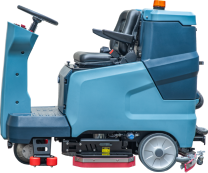
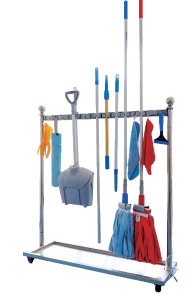
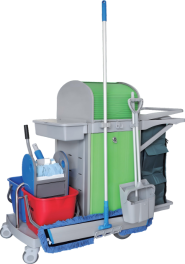
One facility may need a ride-on scrubber for open areas, a walk-behind scrubber for corridors, a sweeper for entrances and trolleys for restrooms.
Grouping routes by equipment need prevents the buyer from forcing one machine into every task.
Connect route planning to sample testing
The sample test should follow part of the real route. It should include the narrowest turn, normal soil, refill or drain behavior and the expected drying window.
This makes sample evidence more useful than a demonstration on an easy floor.
Keep the worksheet updated after operation starts
Routes change when storage moves, traffic changes, new racks are installed or cleaning frequency changes. The worksheet should be revisited after the first weeks of operation.
Updating it helps maintenance teams and distributors explain why equipment performance changed.
Limitations and checks before purchase
- A worksheet is a selection aid and does not replace site safety rules.
- High-risk floors or regulated environments may need additional approval before machine trials.
- Route estimates should be validated with real operation where possible.
Traceable evidence
Sources and evidence boundaries
These sources separate ELEREIN-published facts from neutral methods, safety guidance and regulatory context.
- Supports
- Wet-floor, drying, pedestrian-control and cleaning-process factors relevant to route planning.
- Boundary
- The guidance does not define a universal drying time or approve a machine-floor combination.
- Supports
- Work-equipment suitability, training, maintenance and safe-use principles.
- Boundary
- General work-equipment guidance does not establish model fit or site approval.
- Supports
- Access, stability, operator protection and safe-use factors for mobile equipment.
- Boundary
- The site must assess the actual route, ramps, traffic and operator conditions.
- Supports
- Documented procedures, training, monitoring and accountable cleaning records.
- Boundary
- The guidance does not prescribe a universal commercial machine or acceptance threshold.
How to use these sources: Use each source only for the safety, testing, regulatory or procurement principle stated in its boundary. External sources do not certify, endorse or validate an untested ELEREIN model.